Trauma Counselling Darwin

Last updated:

Soul Counselling · Trauma Support · Darwin

Gentle, paced trauma counselling for Darwin and the Top End

Old wounds, sudden shock, harm inside close relationships and the survival patterns your nervous system learned can all keep living in the body long after the event. From anywhere in Darwin, this is slow, safe trauma counselling by video or phone, moving only at the speed you feel ready for.

Book a free 15-minute assessment → Ask a question first
Prefer to talk first? Call 0479 144 561
Christina Feyes, trauma counsellor supporting Darwin clients online

Around three quarters of Australians live through a traumatic event at some point, and roughly eleven percent develop post-traumatic stress, though most people do not go on to carry a lasting disorder. Those national figures can quietly under-count the most remote parts of the country, and the Northern Territory has some of the thinnest mental-health services in Australia, which is one reason steady online support can matter so much up here.

Sources: ABS National Study of Mental Health and Wellbeing, 2020 to 2022; AIHW.
Google Five-star Google reviews

People keep saying the same thing.

One conversation in, most clients say they’ve finally been understood.

“I truly felt heard for the first time in all my life and deeply understood.”

— Simone

“When I came to Christina I was drowning in darkness… now I’m finally thriving again.”

— Shannon

“Due to her mediumship I was able to see core issues that I wasn’t able to recognise before.”

— Ellie

When the past has not quite let go

  • Small, ordinary things set off a reaction that feels far bigger than the moment seems to call for.
  • You notice yourself shutting down, freezing, over-pleasing others or staying quietly on high alert.
  • Certain memories or body sensations still feel like they are happening right now, not back then.
  • Trust, boundaries, feeling safe and your own sense of worth have taken a lasting hit.
  • Part of you wants support, and part of you is afraid of being pushed to open up too fast.

So far from eastern-states family, and through the long build-up when the heat and closeness press in, a lot of people up here carry this quietly and alone. You do not have to.

How Christina works

How this trauma work is held

Trauma is not weakness and it is not something to be forced open. It is a survival response your body learned in order to protect you, and it eases when it feels safe, not when it is pushed. Everything here is built around your consent, your pace and your sense of control.

Safety first

Nothing meaningful happens until you feel steady enough. We begin by settling the nervous system and building simple ways to feel grounded, so sessions stay inside a window you can manage. You set the pace, you can pause at any point, and you never have to go anywhere you are not ready to go.

Body-aware depth

Trauma lives in the body as much as the mind, in tight breath, bracing, numbness or restlessness. Rather than only talking about what happened, we gently notice what the body is still holding and let it soften slowly, with care. There is no need to relive events or produce tears on cue.

Root-level healing

Over time, and only when you feel safe enough, we can look at the deeper patterns underneath, the beliefs and protective habits that formed to keep you safe and now weigh you down. Healing here is not about forgetting. It is about the past finally feeling like the past.

Go deeper

Reading that meets you where you are

If you are still deciding whether counselling is for you, the Soul Counselling blog offers gentle, plain-language writing on trauma, anxiety, the nervous system and what steady healing can actually look like. It is a low-pressure way to get a feel for how this work is held before you speak to anyone.

Read the trauma counselling blog

Read at your own pace, with no obligation to book.

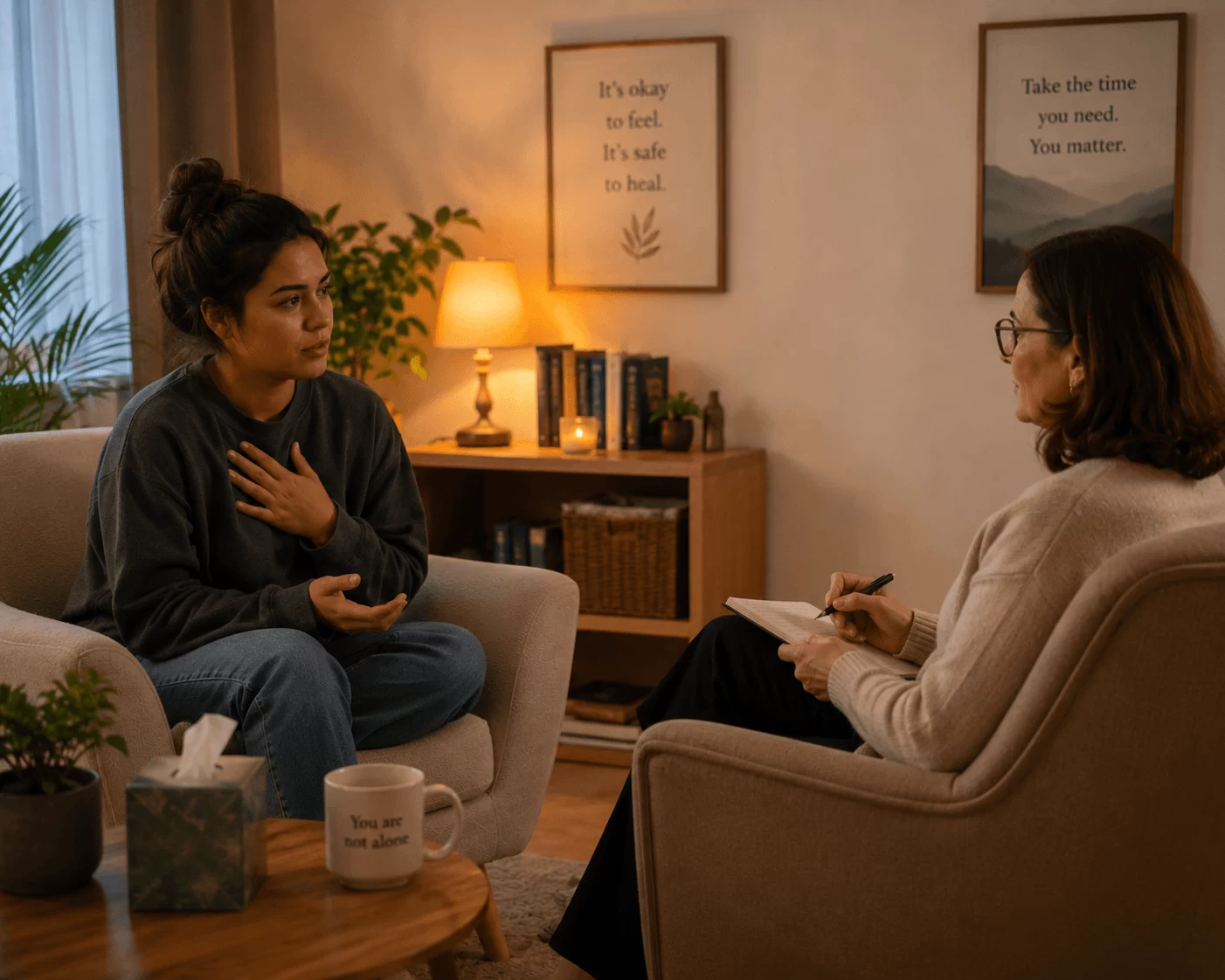
A trauma counselling session processing difficult emotions safely

What we can work through

What people bring to trauma counselling

People come to this work carrying very different histories. These are some of the common themes, and yours is welcome even if it does not fit neatly into any of them.

Single-event and shock trauma

A crash, an assault, a medical emergency, a natural disaster or another sudden event that overwhelmed you. Darwin knows collective shock in its bones, and single frightening events can leave the body braced and watchful long after everyone else has moved on.

Childhood and complex trauma

Harm, neglect or fear that ran through years rather than a single moment often shapes how safe the world feels. This kind of trauma is layered, so we take it slowly, tending the parts of you that learned very early how to survive.

Relationship and betrayal trauma

When hurt comes from someone who was meant to be safe, through control, betrayal or abuse, trust itself can feel unsafe. We work gently to rebuild your sense of boundaries, choice and worth, at a pace that never asks more than you can give.

Service, frontline and posting-related trauma

Darwin carries a large Defence and veteran presence, and service can leave its own imprint. Alongside any DVA or specialist support you use, this is a quiet, unhurried space to tend what you saw and carried, without having to justify or explain it away.

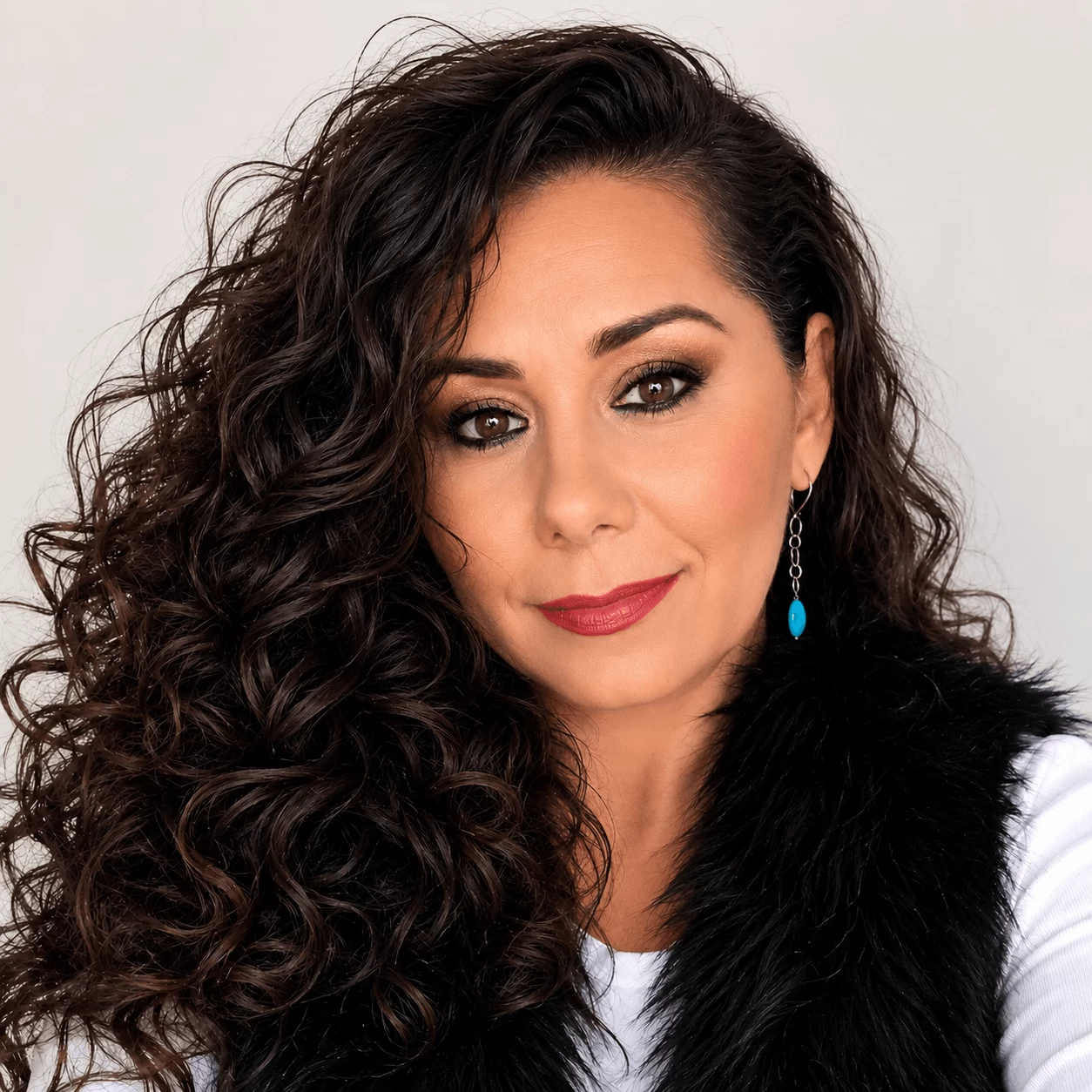
Christina Feyes, counsellor working online with Darwin clients

About Christina

The counsellor behind Soul Counselling.

Christina Feyes founded Soul Counselling in 2016 and has more than ten years of experience walking beside people through hard seasons. She is a qualified counsellor with training across psychology, social work and human services, and she works with clients right across Australia by secure video and phone. She is a counsellor, not a psychologist, and she does not diagnose, prescribe or treat.

What people tend to value is the blend she brings, solid clinical understanding, warm and grounded counselling, and a quiet intuitive attentiveness to what is happening beneath the words. That means the work can stay practical and steadying while also reaching the deeper layers where trauma is actually held.

Read more about Christina →
Common questions

Before you book.

If your question is not here, the free 15-minute assessment is the easiest way to ask it.

Is trauma counselling expensive?

You can start without spending anything. Christina offers a free 15-minute assessment by phone or video, with no card details and no obligation, so you can get a feel for the work before deciding anything. It is genuinely a nothing-to-lose first step. If you choose to continue, the details are talked through openly and gently, and there is never any pressure to commit before you are ready.

Do I need a referral to start?

No. You do not need a referral or a diagnosis to reach out. You can book the free 15-minute assessment directly and simply talk about what is going on for you. Christina is a counsellor, not a psychologist, and she does not diagnose or prescribe, so there is no formal gateway to get through. If other supports would suit you better, she will happily point you towards them.

Is there a Soul Counselling clinic in Darwin?

There is no Darwin clinic. Christina’s only physical base is in Southport on the Gold Coast, and all Darwin work is offered online across the whole Top End. That means you can meet from home or any private spot you choose, without travelling into the CBD or waiting for a scarce local appointment. For many people up here, online is simply the most practical and steady way to get consistent support.

Can online counselling really reach someone in a remote community?

Yes, as long as you have a reasonable phone or internet connection. Sessions run by video or ordinary phone call, so support can reach people well beyond Darwin into the wider Top End, where in-person help is often far away or unavailable. Distance stops being the barrier it usually is. If your connection drops out, we simply switch to phone so the session can still go ahead.

Will I have to retell everything that happened to me?

No. You never have to relive events or describe them in detail to do this work. Trauma counselling here is paced around your consent, and you share only what feels safe to share, when it feels right. Much of the work is about steadying your nervous system and building safety, not forcing the story out. You stay in choice the whole way through, and nothing is dragged out of you.

How many sessions will I need?

There is no fixed number, because everyone’s history and pace are different. Some people come for a short season around a specific event, while others value longer, gentler support for deeper or layered trauma. Nothing is locked in. You and Christina review how things are going as you go, and you are always free to slow down, pause or stop whenever you need to.

Is online trauma counselling private and effective?

Yes. Sessions are held over secure video or phone, and what you share stays confidential within normal professional and legal limits, which Christina explains clearly. Working from a place that already feels safe to you can actually help, since your nervous system settles more easily in familiar surroundings. For many people, gentle, paced online trauma work is every bit as steadying as sitting in a room.

What if I am in crisis or need urgent help right now?

Soul Counselling is not a crisis service and cannot respond to emergencies. If you are in immediate danger, please call 000. For urgent support you can reach Lifeline on 13 11 14, Beyond Blue on 1300 22 4636, or the Blue Knot Helpline for trauma on 1300 657 380. Aboriginal and Torres Strait Islander people can call 13YARN on 13 92 76 for culturally safe support. Please reach out to these services first when things feel unsafe.

A gentle first step, whenever you are ready

You can begin with a free 15-minute assessment by phone or video. There is no card, no obligation and nothing to lose. It is simply a chance to talk, ask questions and feel out whether Christina seems safe enough for you to take a next step. If the timing is not right, that is completely okay.

Book your free 15-minute assessment →
Prefer to talk first? Call 0479 144 561

Trauma support across Darwin

Trauma counselling that reaches every corner of the Top End

Darwin is the most remote capital in the country, which means a lot of people here carry their trauma a long way from the family and history that once held them. Mental-health services across the Territory are genuinely thin and stretched over vast distances, so reliable online access is not a lesser option, it is often the most realistic one. The large Defence and veteran community carries its own service-related load, and a transient population means many arrive already holding old, unprocessed events. The long build-up and wet season, with their heat, storms and cabin fever, can quietly turn the volume up on distress. Aboriginal and Torres Strait Islander people across the Top End also carry significant collective and intergenerational trauma, and culturally safe, Aboriginal-led support exists for that; this work is offered respectfully alongside it, never over it.

  • Steady online sessions for people in the CBD, Palmerston and the northern suburbs like Casuarina and Nightcliff.
  • Support that reaches beyond the city into the wider Top End, where in-person options can be scarce or far away.
  • A quiet, unhurried space for Defence members, veterans and their families carrying service-related trauma.
  • Continuity for a transient population, so support can follow you even if you move on from Darwin.

Sessions are held online and by phone across Darwin and all of Australia, so support fits around your life. You can also explore all Darwin counselling services.

Safe enough to do the work

Support that meets you wherever you are in the Territory

Wherever you are in Darwin or further out across the Top End, you can be met without having to travel or sit in a waiting room. Culturally safe, Aboriginal-led trauma support and services like 13YARN on 13 92 76 also exist alongside this work, and for First Nations readers those may be the right fit; Christina offers her counselling respectfully, not as a substitute for them.

You work with a qualified counsellor in trauma-aware, gently paced sessions where you stay in control the whole way through. You choose the setting that feels safest, whether that is home, a quiet room or somewhere private, and connect by video or phone. Nothing is pushed before you are ready, and you can slow down, pause or stop at any moment.